Strengthening Namibia's response to seabird conservation
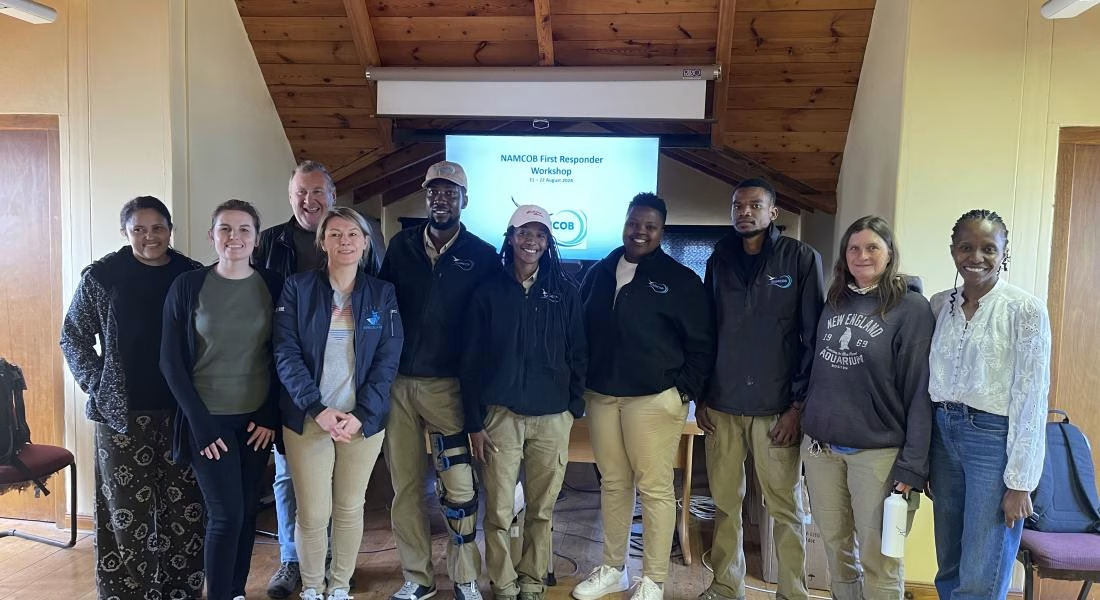
NAMCOB’s First Responder Network strengthens emergency preparedness along Namibia’s coastline, enabling rapid, coordinated responses to oiled wildlife incidents and other marine emergencies. To date, over 70 First Responders have been trained to provide initial assistance, identify incidents and alert the appropriate response teams when seabirds and coastal ecosystems are at risk. Strategically positioned along key stretches of the coastline, the network extends NAMCOB’s reach and strengthens local capacity to respond to emergencies, including in remote areas. By building skills and fostering collaboration with coastal stakeholders, the network supports more effective incident reporting, timely intervention and coordinated emergency response, helping protect Namibia’s marine biodiversity.
70+ trained First Responders safeguarding Namibia’s coastline, in partnership with Ocean Conservation Namibia and Debmarine Namibia
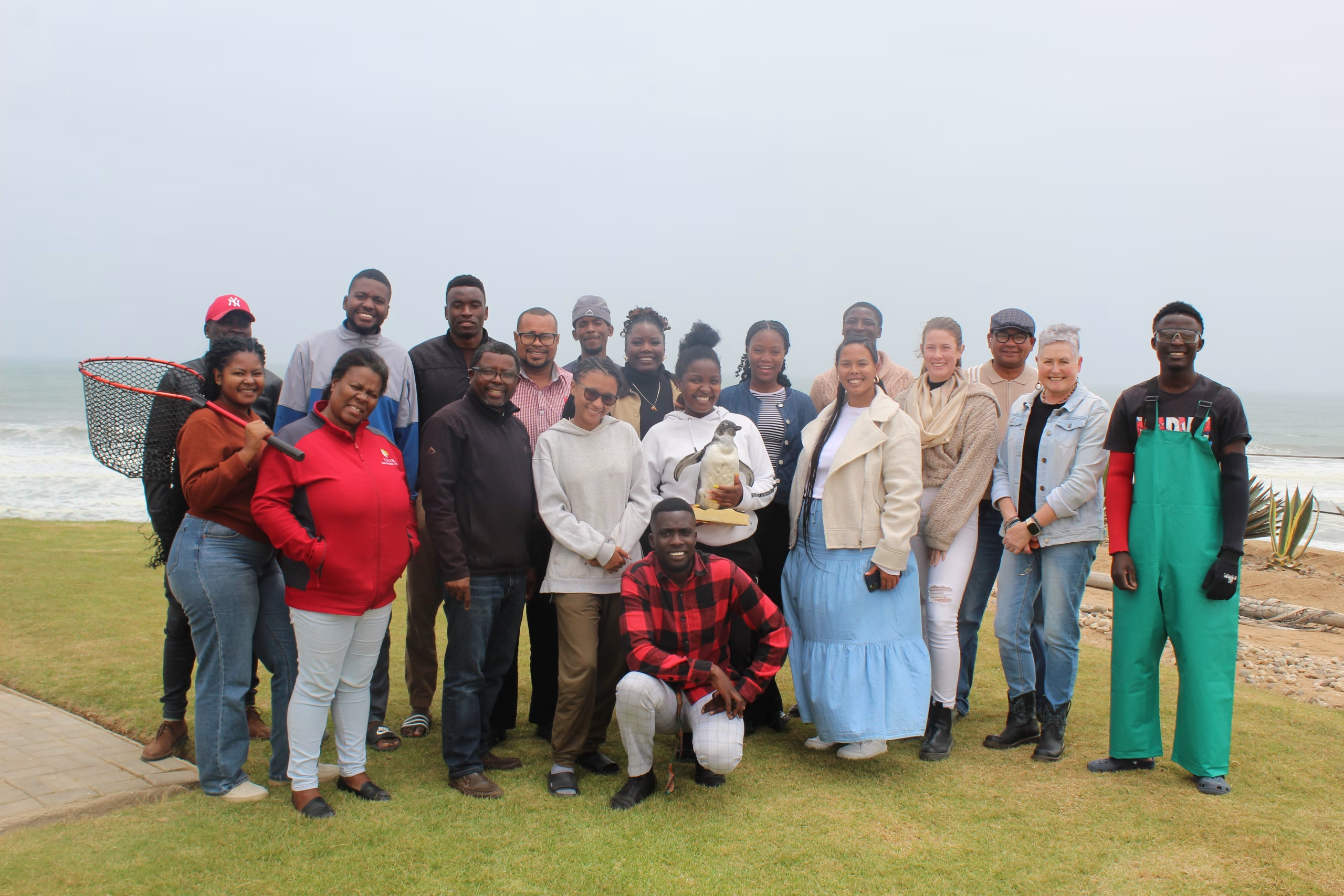
-
Central Coast
In partnership with Ocean Conservation Namibia, NAMCOB has developed an active response mechanism for injured and oiled seabirds found along the coast line. Initially stablised at the Stabalisation Pen in Walvis Bay, birds are assessed adn then transport to the main facility in Lüderitz.
Key Challenge
Together We Can Make a Difference
Volunteer
Please complete the form below to volunteer with NAMCOB.
Volunteer
Volunteer
Give your time where it counts. Support field monitoring, breeding colony surveys, and rescue operations along the Namibian coast.
Related Projects
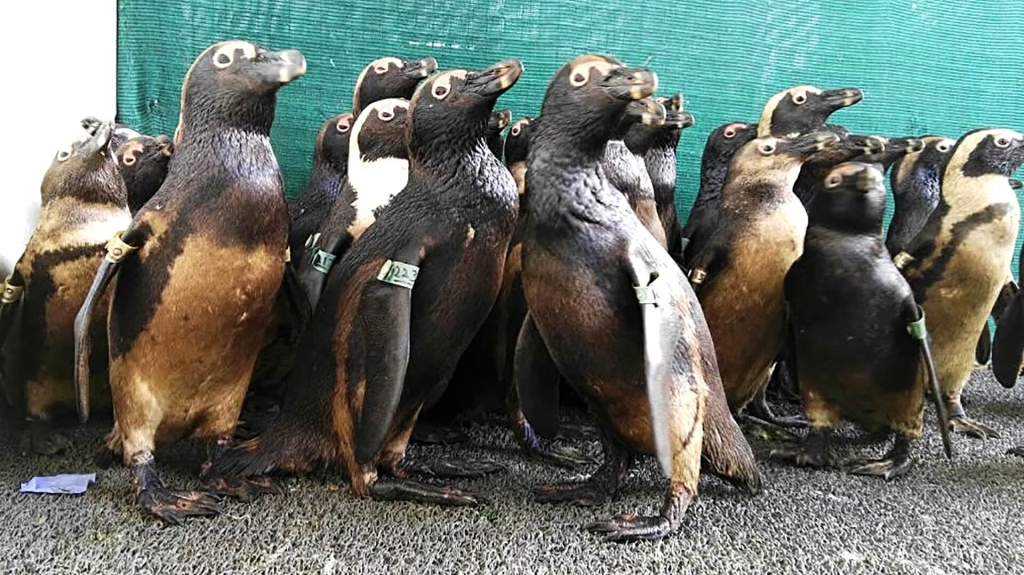

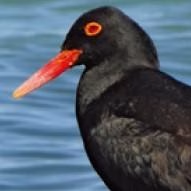
Oiled Wildlife Response
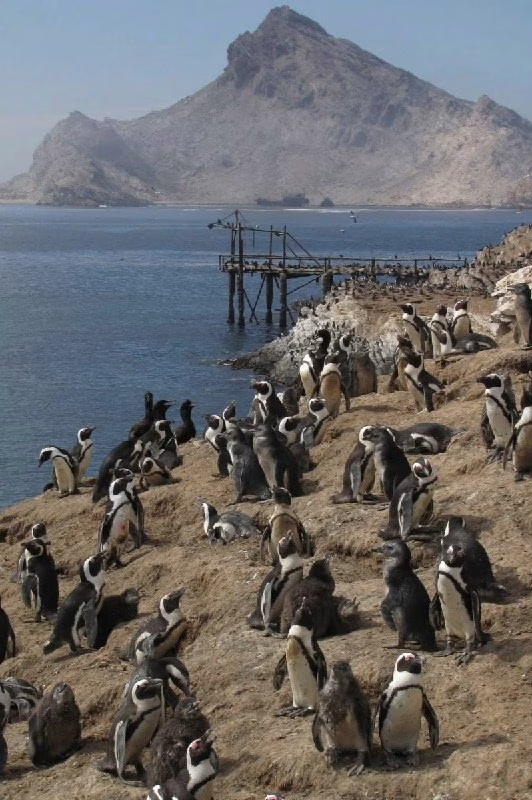
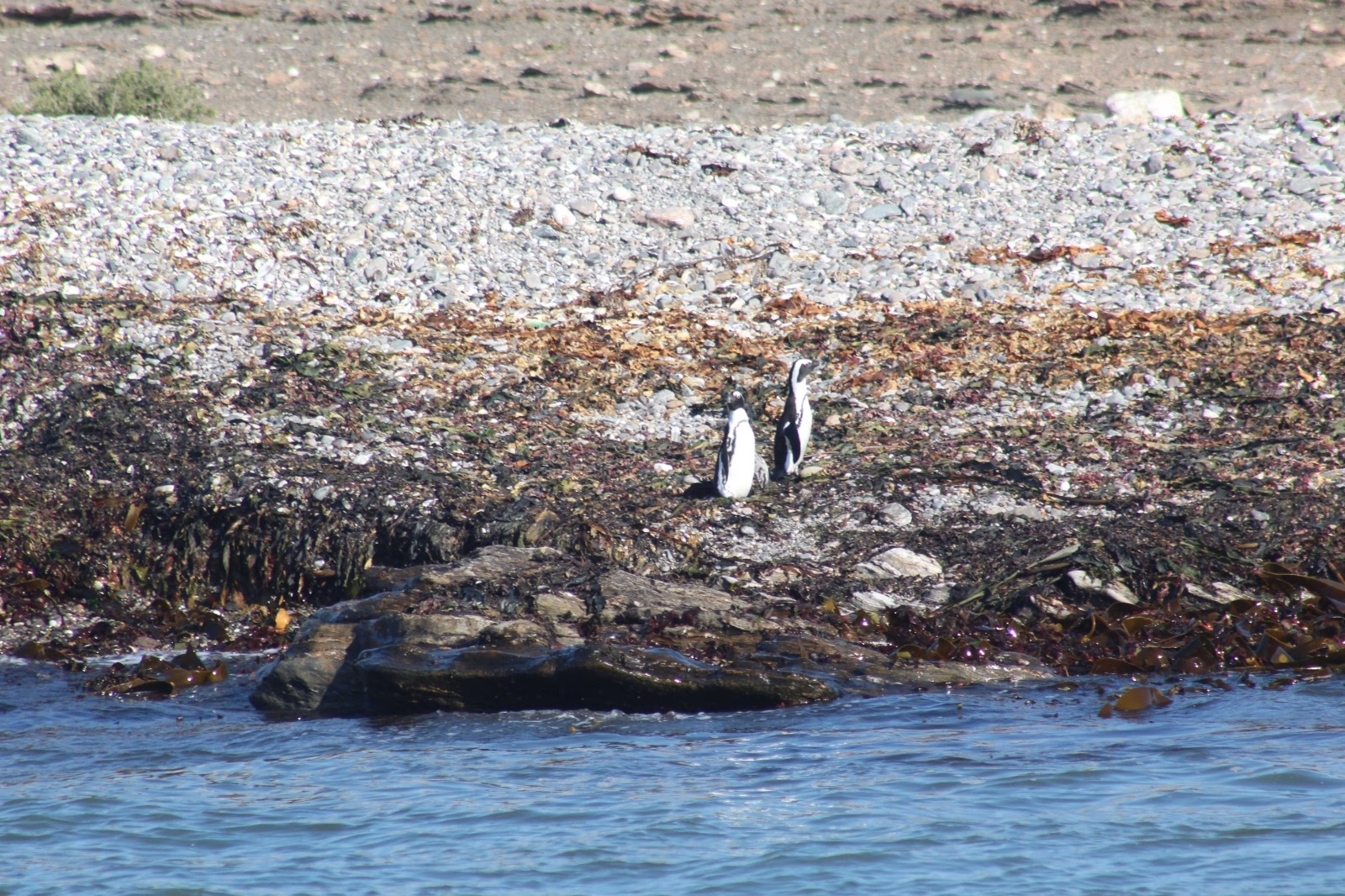
Seabirds are vulnerable to oil pollution, particularly African Penguins as they cannot fly.
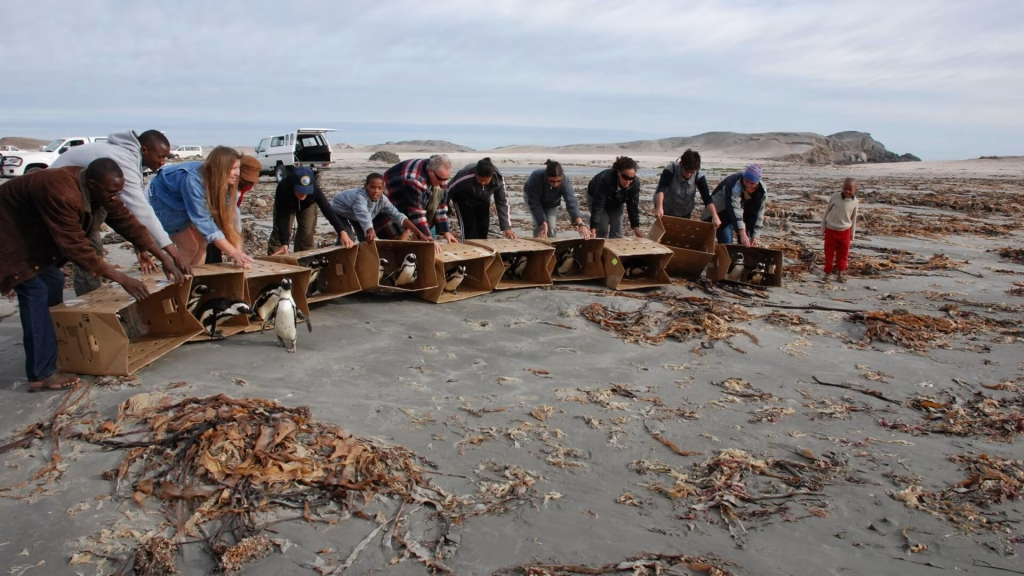

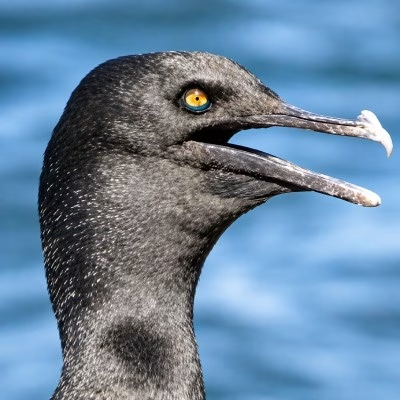
Rescue and Rehabilitation
Seabirds are mostly confined to the Namibian island colonies during breeding seasons.
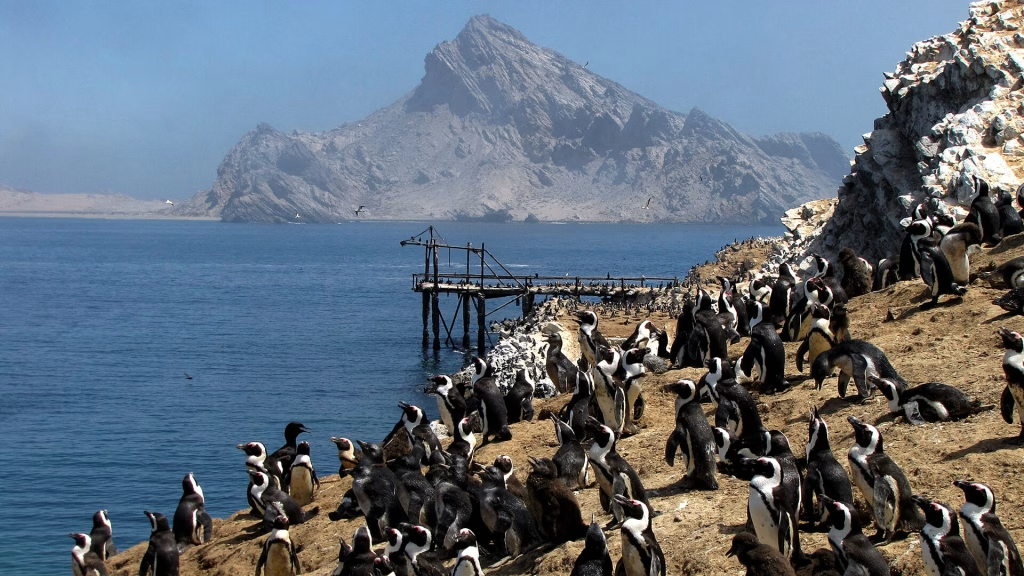

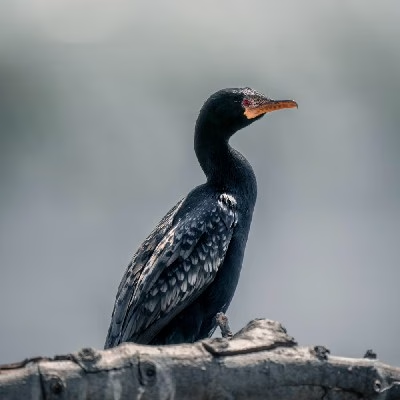
Improve Breeding Habitat
The habitat on the islands, particularly for the African Penguin has been severely degraded by centuries.
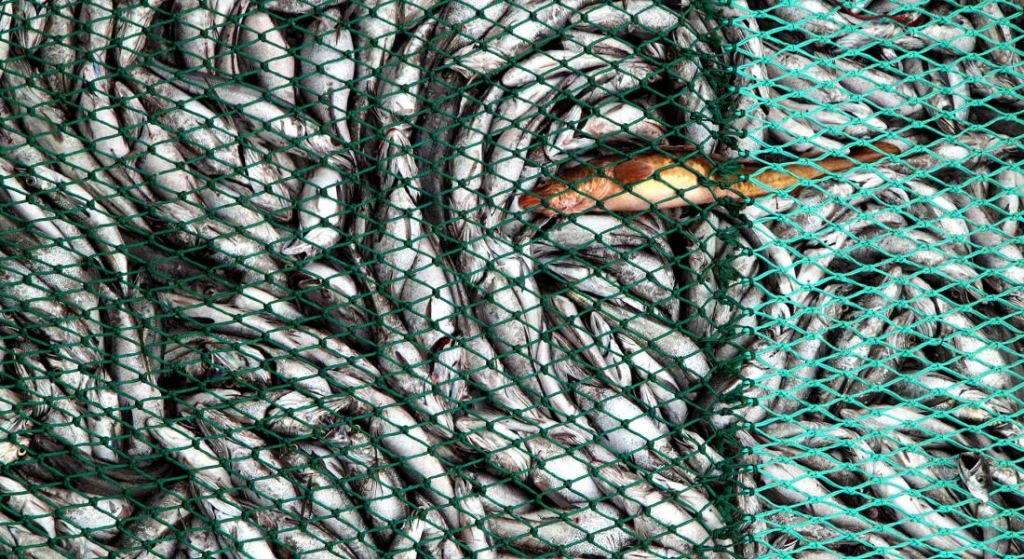

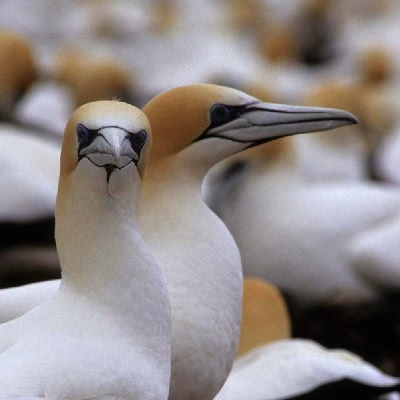
Improve food availability
The reason for the declining sea-bird population is mostly due to a lack of good quality food, especially sardine.
Related Resources
Avian Influenza H5N8 Outbreak in African Penguins (Spheniscus demersus), Namibia, 2019
In January 2019, high mortalities were reported among African Penguins (Spheniscus demersus) in a breeding colony on...
Factors determining the number of seabirds impacted by oil spills and the success of their rehabilitation: lessons learned from Namibia and South Africa
Vanstreels RET, Parsons NJ, Sherley RB et al. 2023. Factors determining the number of seabirds impacted by...
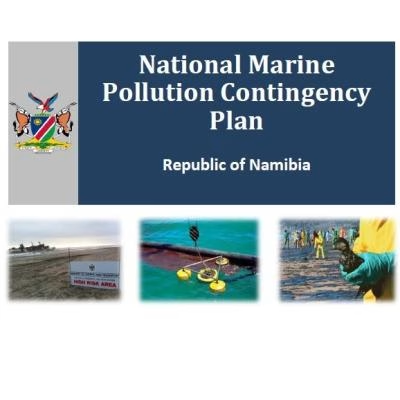
National Marine Pollution Contingency Plan
National Marine Pollution Contingency Plan It is now nearly 10 years since Namibia?s 1st National Oil Spill...
Related Region
-
Erungo Region
Lorem Ipsum is simply dummy text of the printing and typesetting industry. Lorem Ipsum has been the industry’s standard dummy…
-
Hardap Region
Lorem Ipsum is simply dummy text of the printing and typesetting industry. Lorem Ipsum has been the industry’s standard dummy…
-
Kharas Region
Lorem Ipsum is simply dummy text of the printing and typesetting industry. Lorem Ipsum has been the industry’s standard dummy…