
Key challenge
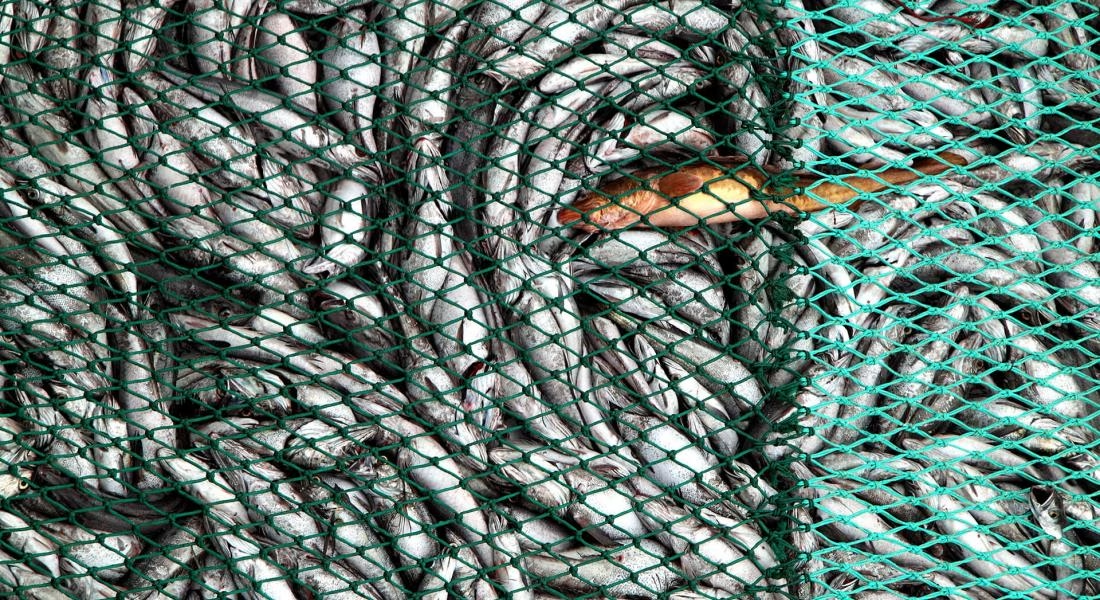
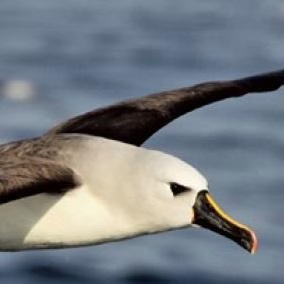
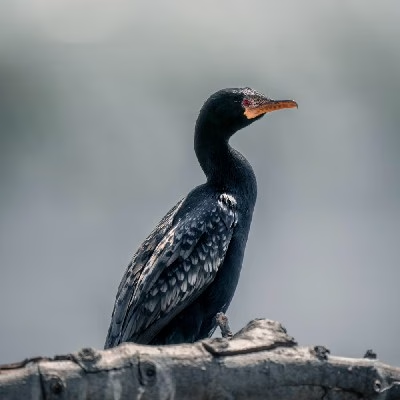
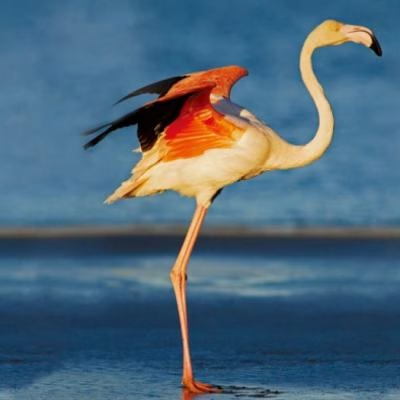
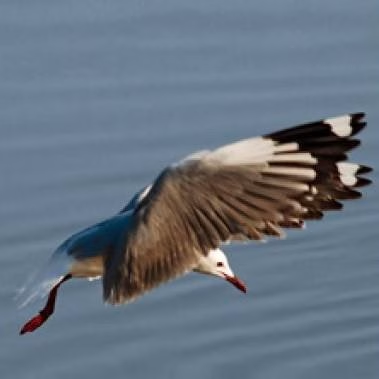
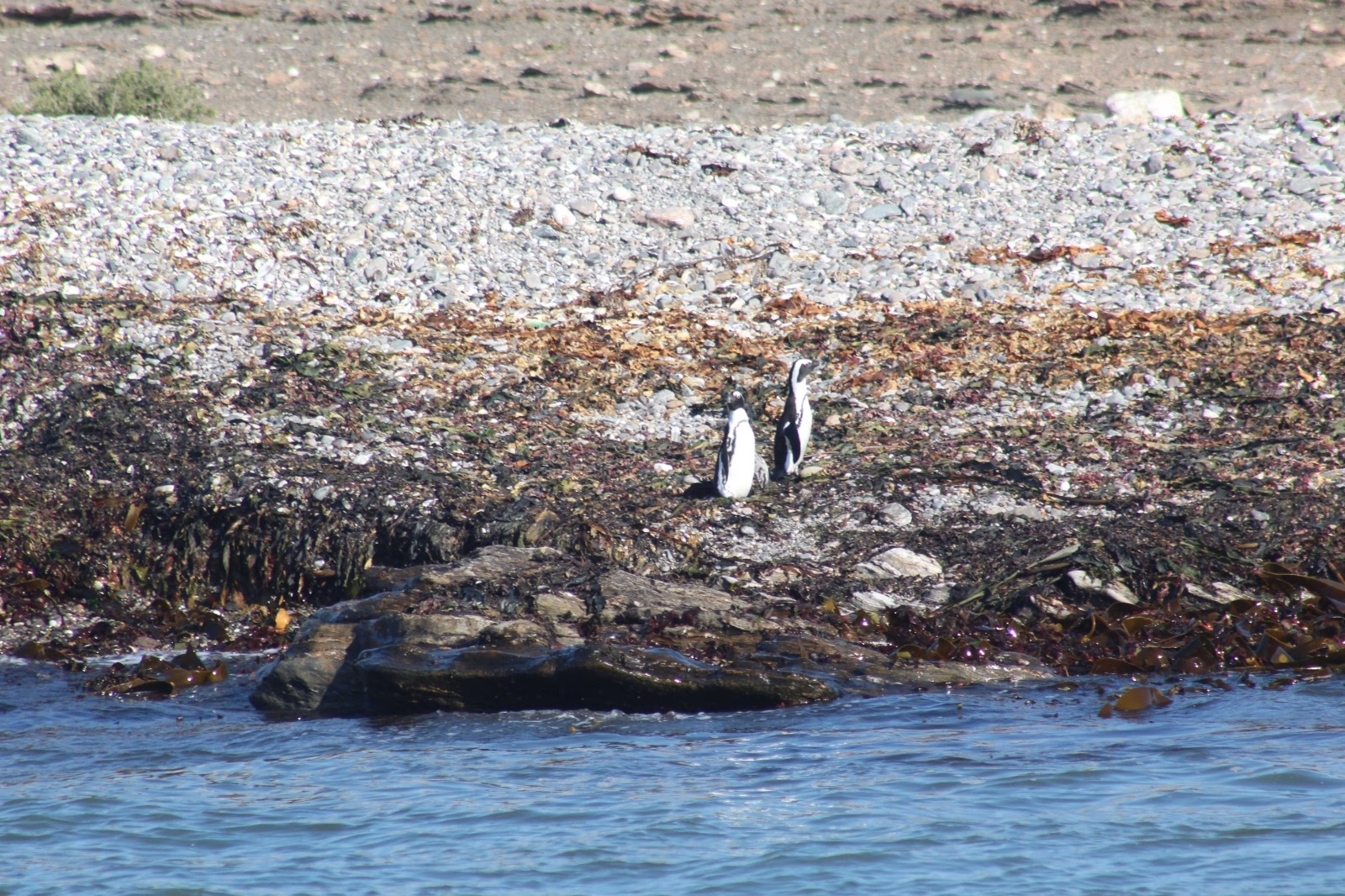
The reason for the declining sea-bird population is mostly due to a lack of good quality food, especially sardine. The food resource has collapsed primarily due to over-fishing and a failure to let collapsed fish stocks recover. Seabirds such as African Penguins, Cape Gannets and Cape Cormorants are excellent indicators of the health of the marine ecosystem, and their rapid population decline clearly shows that not all is well with our marine ecosystem.
What do we want to do?
Together We Can Make a Difference
Volunteer
Please complete the form below to volunteer with NAMCOB.
Volunteer
Volunteer
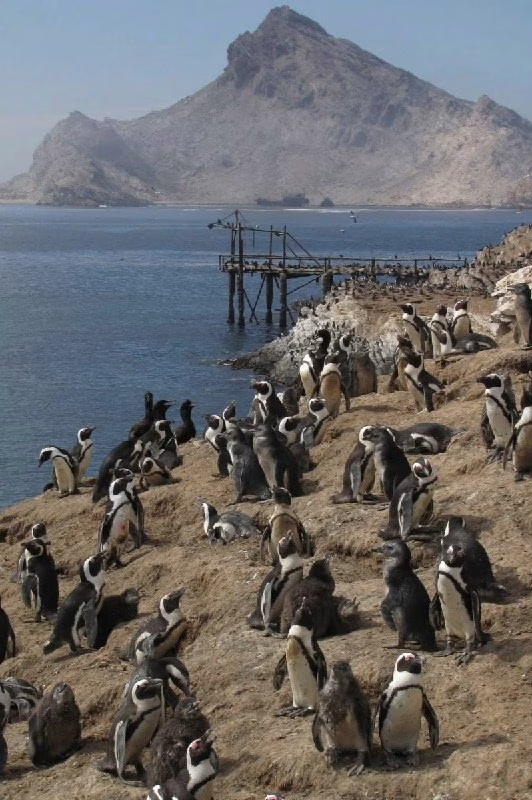
Give your time where it counts. Support field monitoring, breeding colony surveys, and rescue operations along the Namibian coast.
Donate
Your support funds rescue equipment, veterinary care, and our new seabird rehabilitation facility in Lüderitz. Every contribution helps save a life.
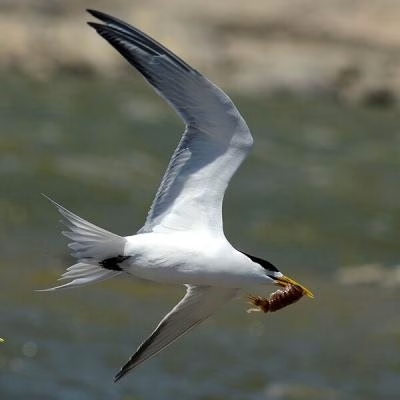
Related Projects
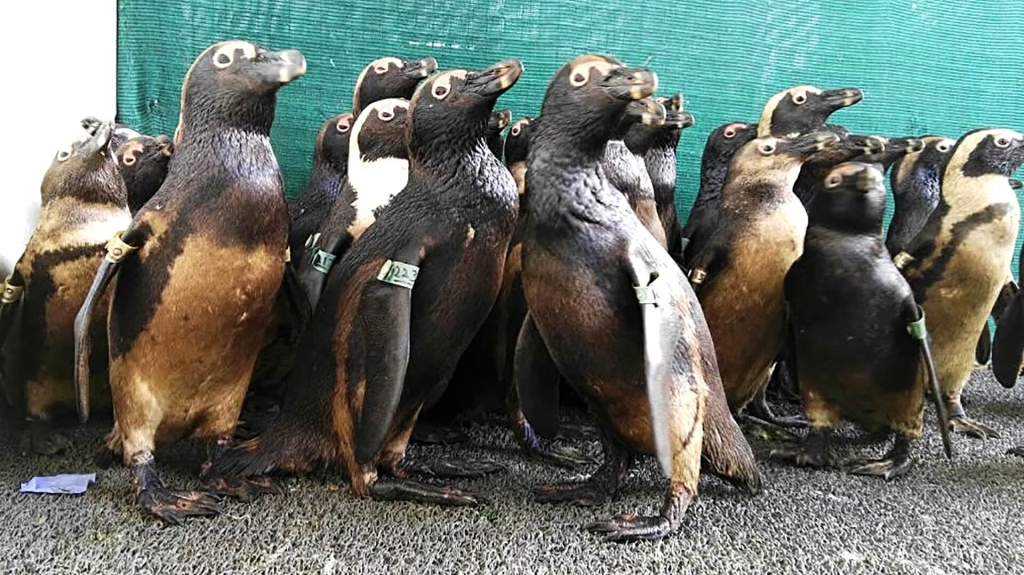

Oiled Wildlife Response
Seabirds are vulnerable to oil pollution, particularly African Penguins as they cannot fly.
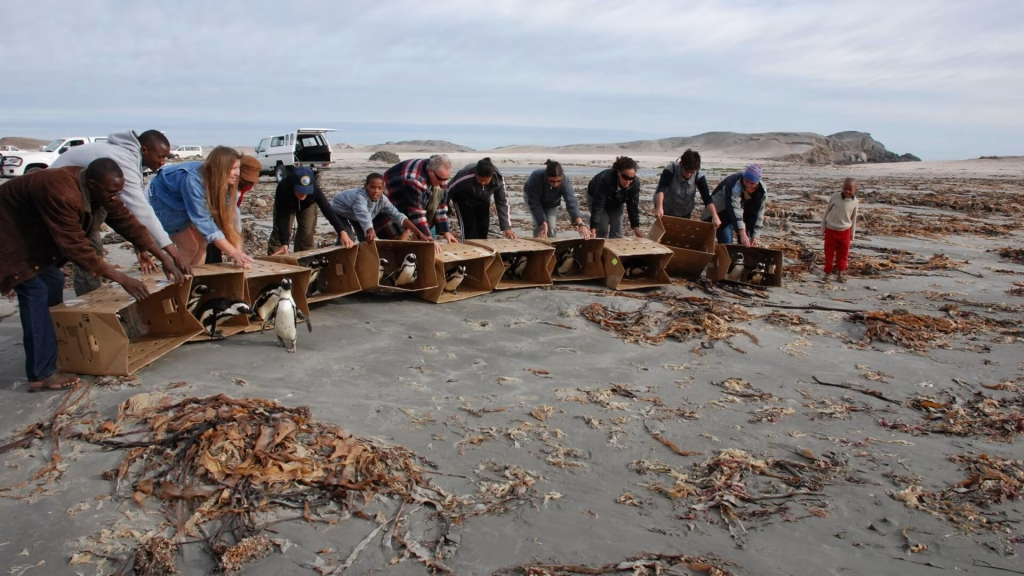

Rescue and Rehabilitation
Seabirds are mostly confined to the Namibian island colonies during breeding seasons.
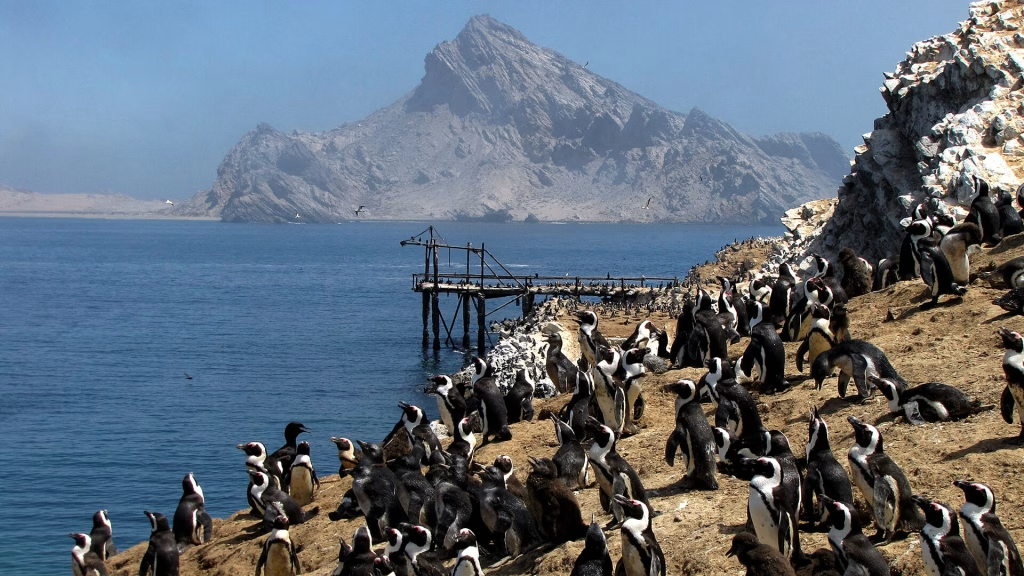

Improve Breeding Habitat
The habitat on the islands, particularly for the African Penguin has been severely degraded by centuries.


NIMPA Management
Situated in the Southern part of Namibia, the Namibian Islands’ Marine Protected Area (NIMPA).
Related News


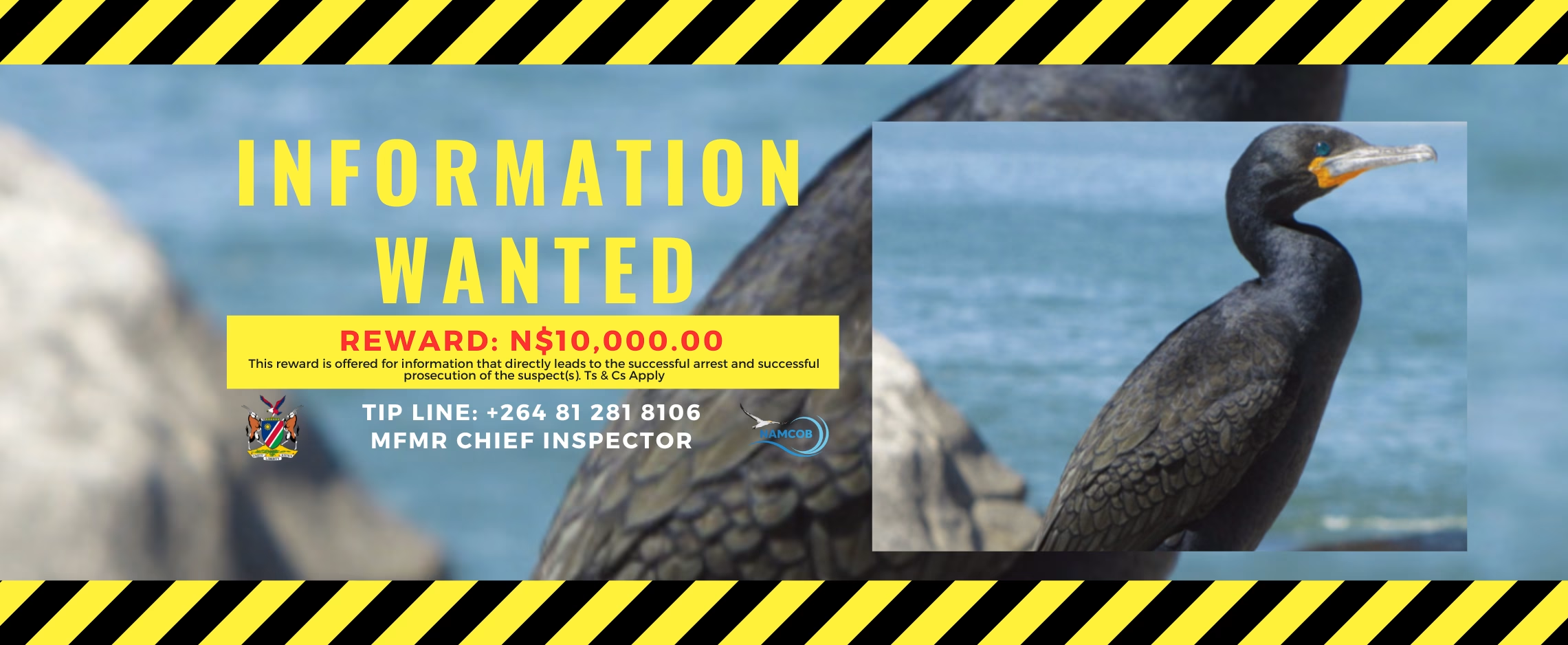


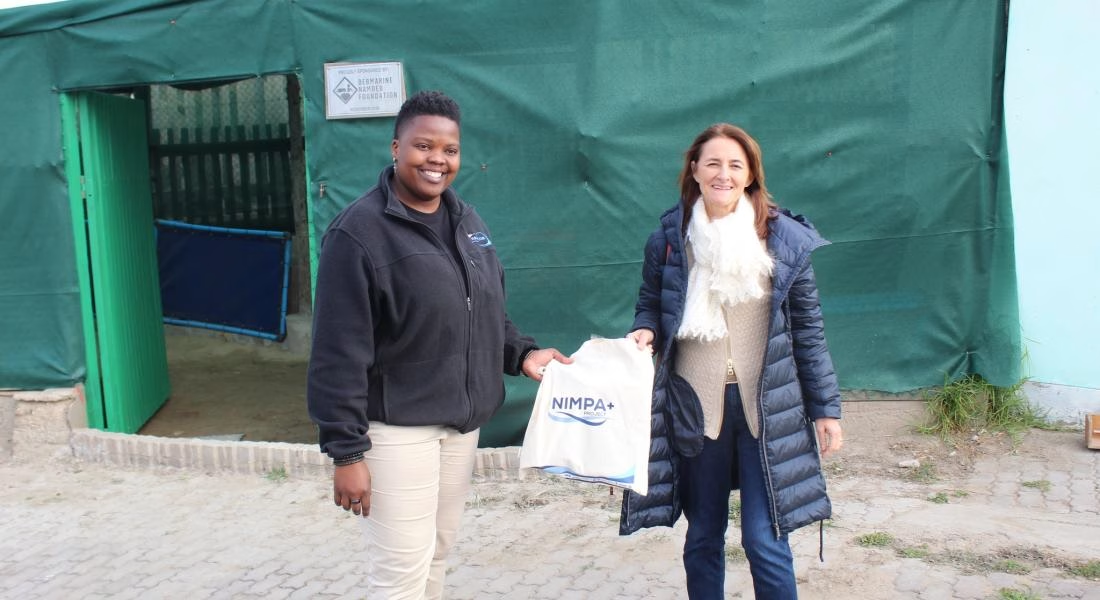
Related Resources
Surviving off junk
Ludynia K, Roux J-P, Kemper J, Underhill LG (2010) Surviving off junk: low energy prey dominates the...
The initial journey of an endangered penguin: implications for seabird conservation
Sherley RB, Ludynia K, Lamont T, Roux JP, Crawford RJM, Underhill LG (2013) The initial journey of...
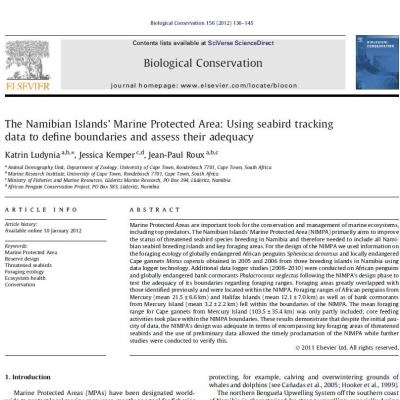
The Namibian Islands’ Marine Protected Area: using seabird tracking data to define boundaries and assess their adequacy
Ludynia K, Kemper J, Roux J-P 2012. The Namibian Islands' Marine Protected Area: Using seabird tracking data...
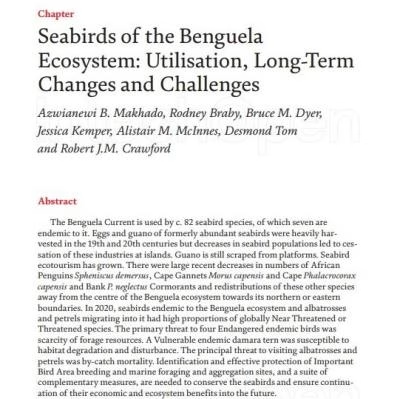
Seabirds of the Benguela ecosystem: utilisation, long-term changes and challenges
Makhado AB, Braby R, Dyer BM, Kemper J, Mcinnes AM, Tom D, Crawford RJM (2021). Seabirds of...
Related Region
-
Kunene Region
Lorem Ipsum is simply dummy text of the printing and typesetting industry. Lorem Ipsum has been the industry’s standard dummy…
-
Hardap Region
Lorem Ipsum is simply dummy text of the printing and typesetting industry. Lorem Ipsum has been the industry’s standard dummy…
-
Erungo Region
Lorem Ipsum is simply dummy text of the printing and typesetting industry. Lorem Ipsum has been the industry’s standard dummy…
Related Members

Kaurimbi Mberirua
Seabird RangerField conservationist blending ecological research, species monitoring, and community engagement.

Karin Moses
Seabird RangerWith a background in aquatic sciences, Karin Moses is, applying environmental management expertise to marine conservation.