Key challenge
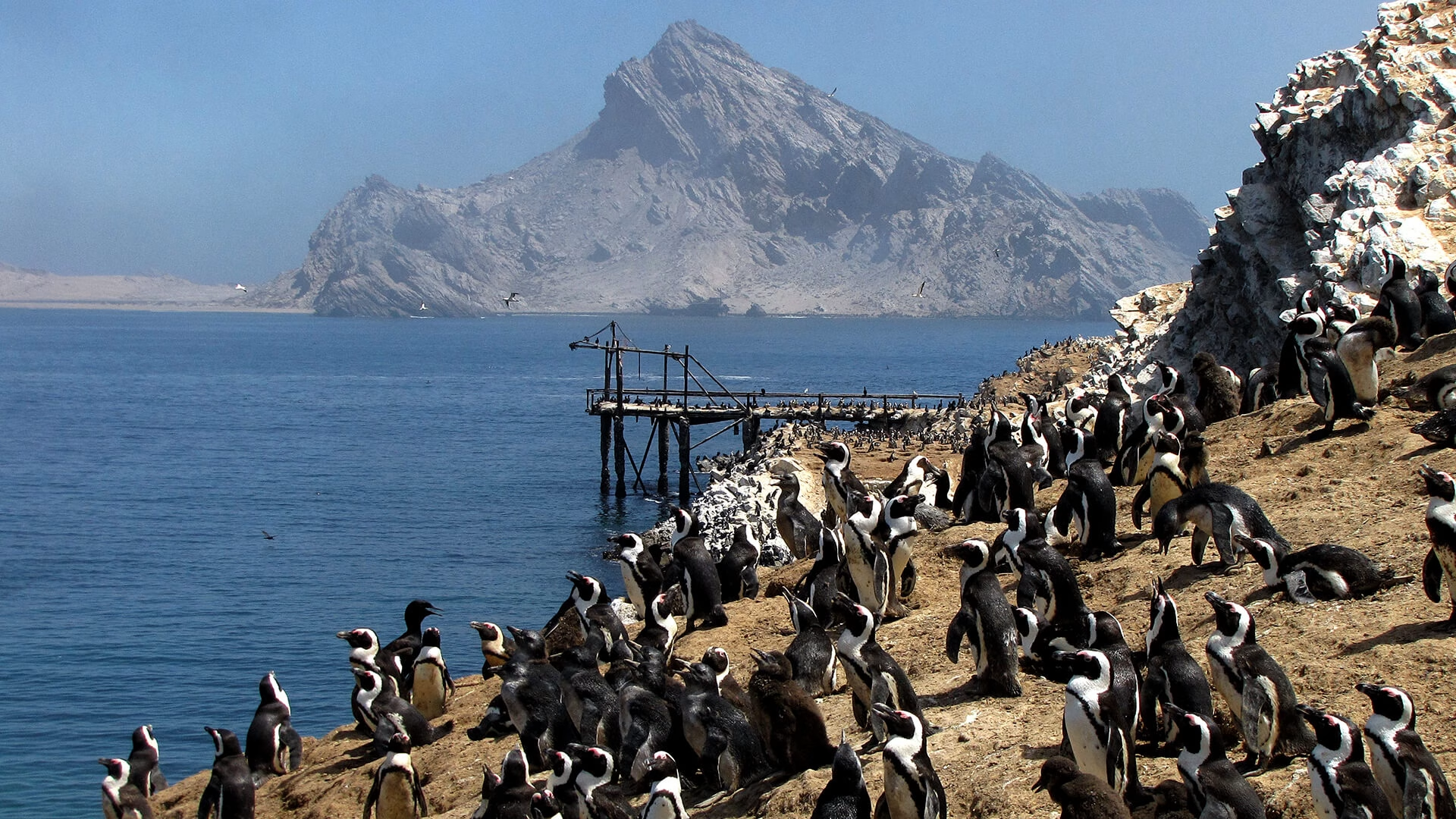
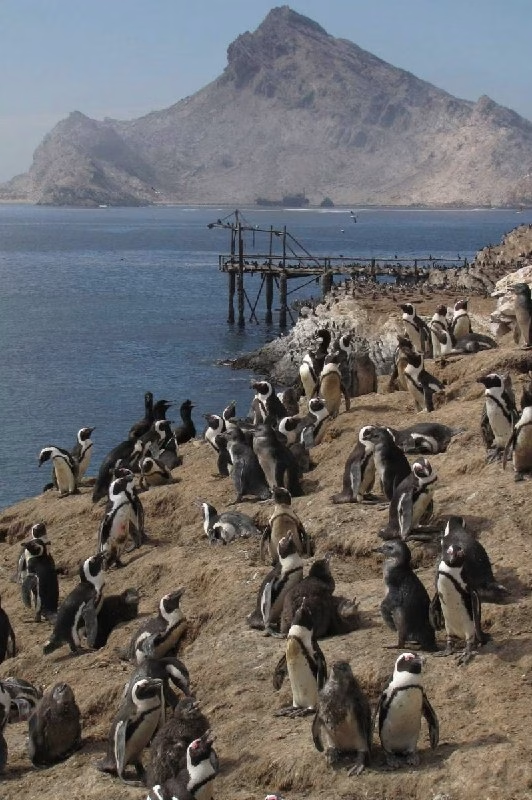
The habitat on the islands, particularly for the African Penguin (Spheniscus demersus), has been severely degraded by centuries of guano harvesting. Penguins can no longer nest in burrows. This means that birds, eggs and chicks are exposed to sun and heat and are more vulnerable to predation. Nests are more prone to disturbance and damage by seals. Consequently, breeding success has been substantially reduced.
What do we want to do?
Artificial burrows / nest boxes have been used successfully to improve African Penguin breeding success. The nest box design needs to meet a number of criteria to be suitable, and various nest box designs have been put to the test over several decades. A company in the United States is currently testing a new design and we will test some of these on Namibia’s seabird islands and monitor nest box acceptance and breeding success. The project may be expanded if they are found to be effective.
Together We Can Make a Difference
Volunteer
Please complete the form below to volunteer with NAMCOB.
Volunteer
Volunteer
Give your time where it counts. Support field monitoring, breeding colony surveys, and rescue operations along the Namibian coast.
Donate
Your support funds rescue equipment, veterinary care, and our new seabird rehabilitation facility in Lüderitz. Every contribution helps save a life.
Related Projects
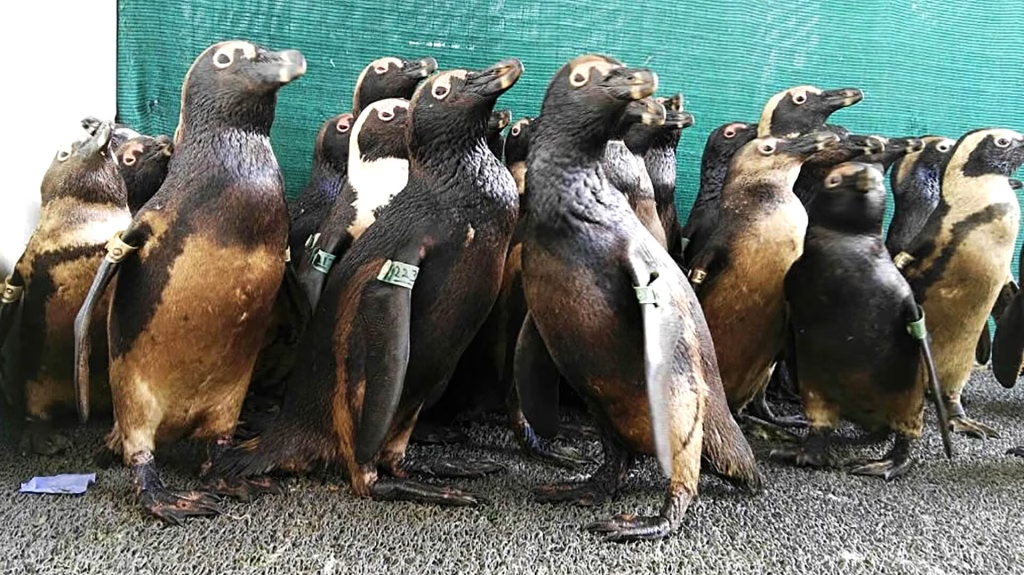

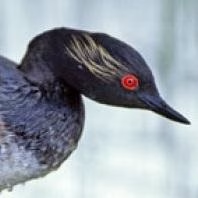
Oiled Wildlife Response
Seabirds are vulnerable to oil pollution, particularly African Penguins as they cannot fly.
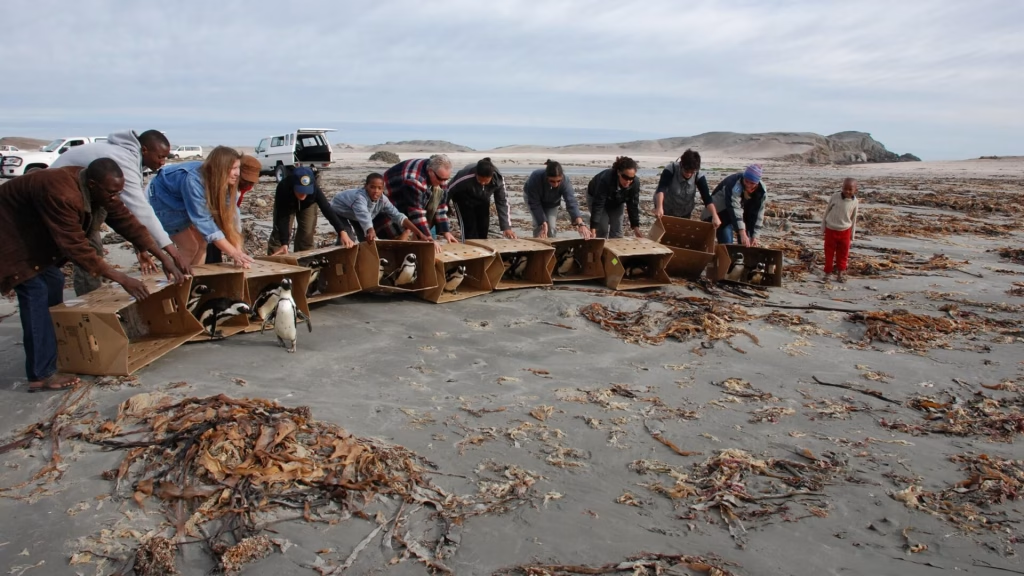

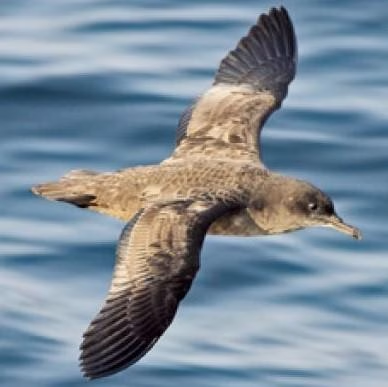
Rescue and Rehabilitation
Seabirds are mostly confined to the Namibian island colonies during breeding seasons.
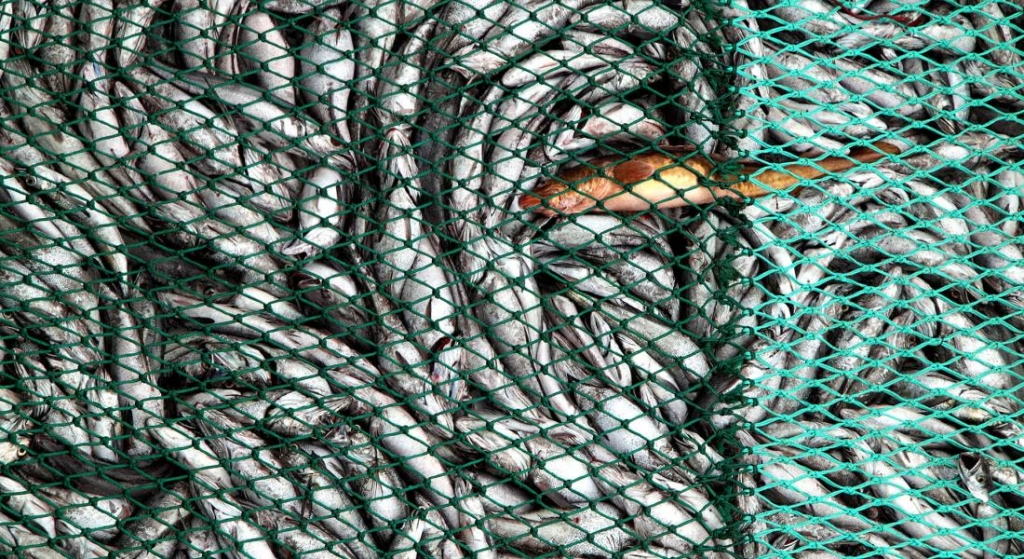

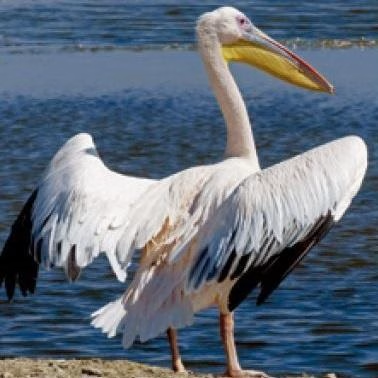
Improve food availability
The reason for the declining sea-bird population is mostly due to a lack of good quality food, especially sardine.


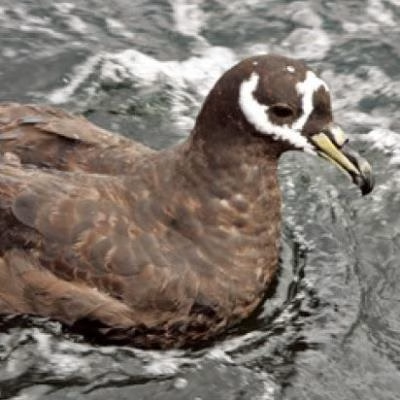
NIMPA Management
Situated in the Southern part of Namibia, the Namibian Islands’ Marine Protected Area (NIMPA).
Related News
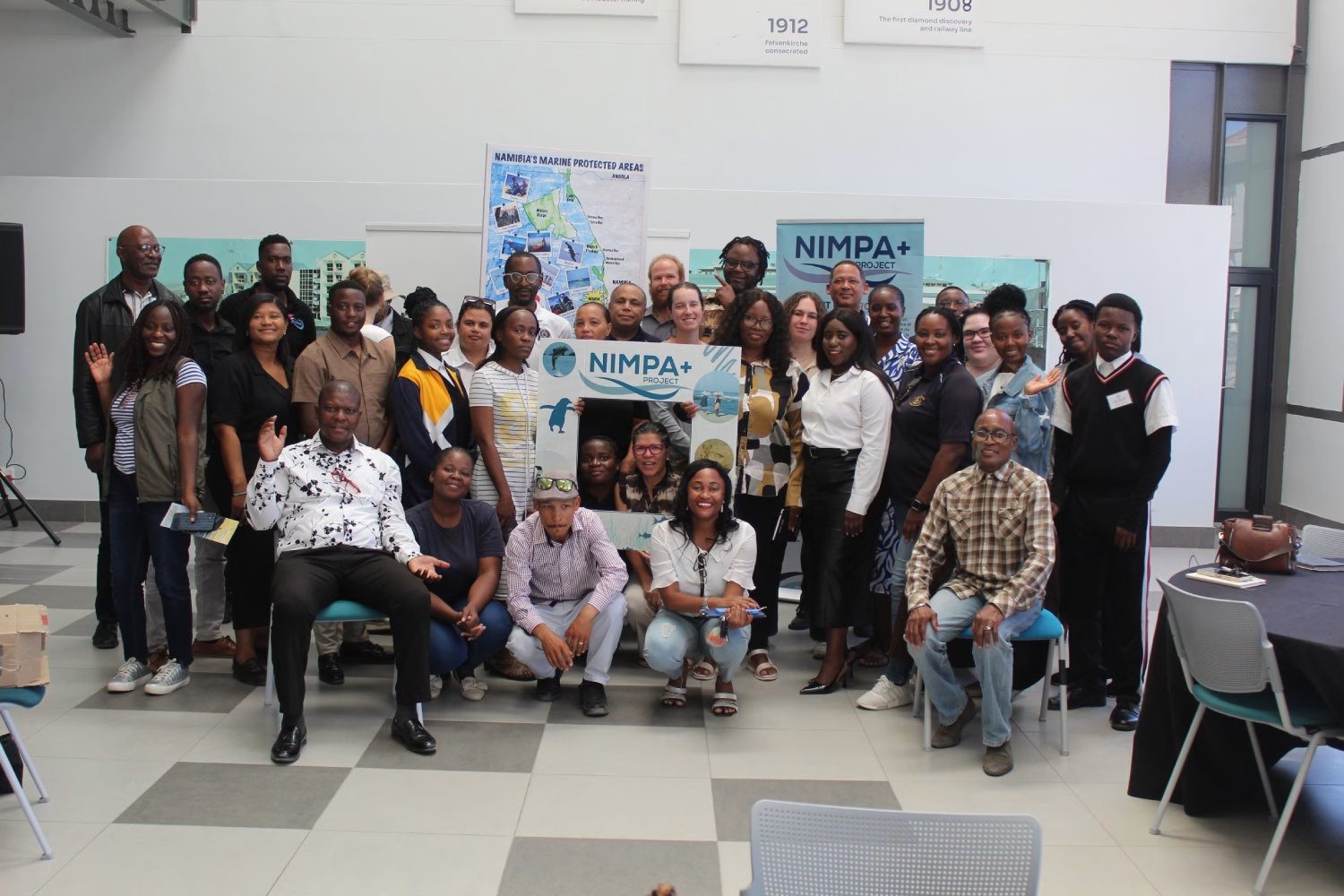





Related Resources
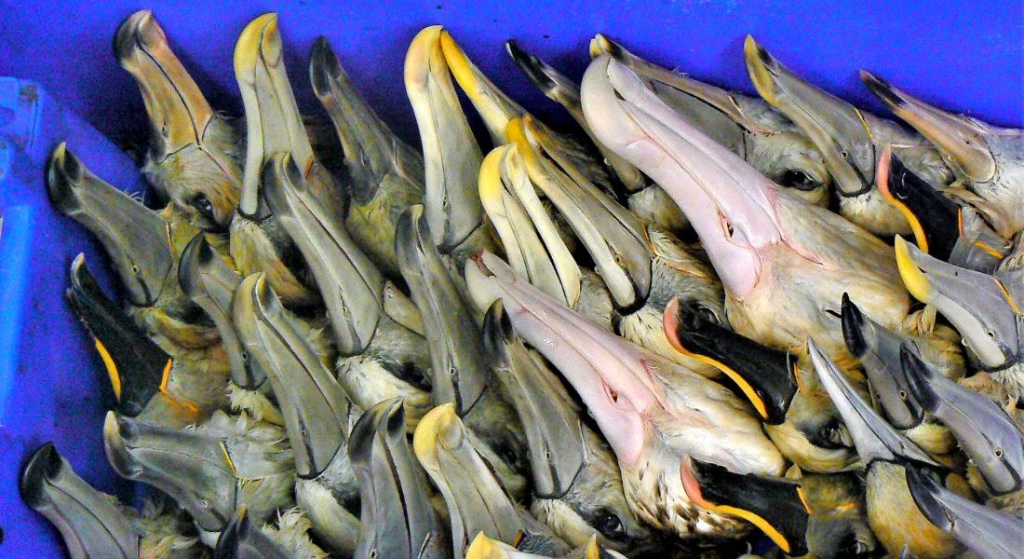
Bycatch in fishing is a significant cause of seabird mortality in Namibia
By-catch in industrial fishing is a significant cause of mortality of seabirds and is thought to be...
Factors determining the number of seabirds impacted by oil spills and the success of their rehabilitation: lessons learned from Namibia and South Africa
Vanstreels RET, Parsons NJ, Sherley RB et al. 2023. Factors determining the number of seabirds impacted by...
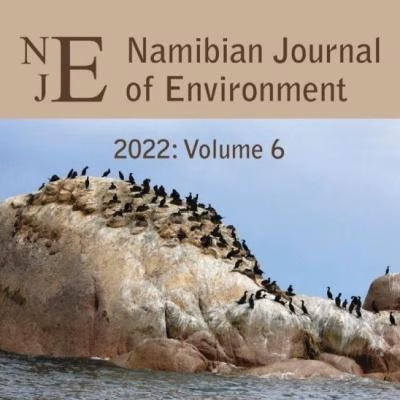
Food limitation of seabirds in the Benguela ecosystem and management of their prey base
Crawford RJM, Sydeman WJ, Tom DB, Thayer JA, Sherley RB, Shannon LJ, McInnes AM, Makhado AB, Hagen...
Namibian Islands’ Marine Protected Area
The Ministry of Fisheries and Marine Resources (MFMR) recognizes that the unique and fragile marine ecosystem bordering...
Related Region
-
Kharas Region
Lorem Ipsum is simply dummy text of the printing and typesetting industry. Lorem Ipsum has been the industry’s standard dummy…
-
Erungo Region
Lorem Ipsum is simply dummy text of the printing and typesetting industry. Lorem Ipsum has been the industry’s standard dummy…
-
Kunene Region
Lorem Ipsum is simply dummy text of the printing and typesetting industry. Lorem Ipsum has been the industry’s standard dummy…