Threats to Seabirds
Namibia's Seabirds are in Serious Trouble
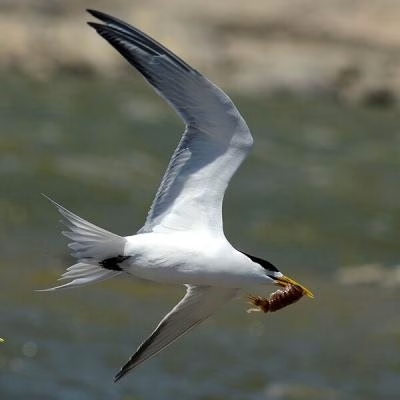
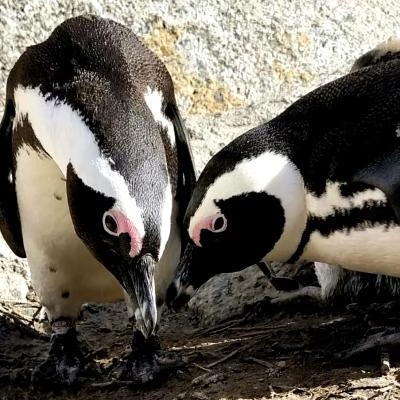
Namibia's coastline is home to a wide diversity of wildlife, with many endemic seabird species. Seabirds serve as key indicators of the state and health of the marine ecosystem because they are visible and are top predators.
These seabirds face a complex web of pressures that have driven significant population declines across the region. Food security remains a central concern, with reduced prey availability placing growing strain on breeding success and adult survival. Compounding this, breeding constraints, from limited nesting habitat to disturbance at colony sites, continue to affect reproductive output, while incidental bycatch in fishing operations poses an ongoing risk to adult and juvenile birds alike.
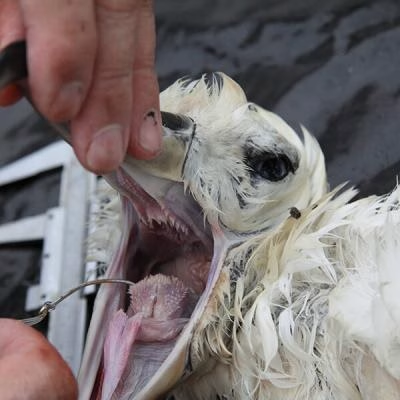
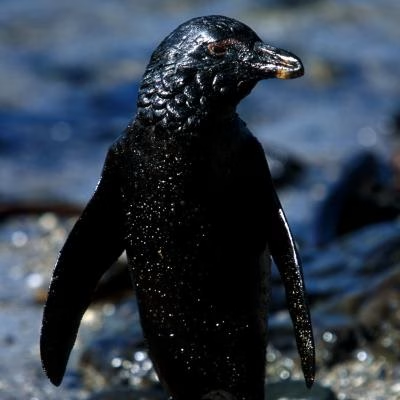
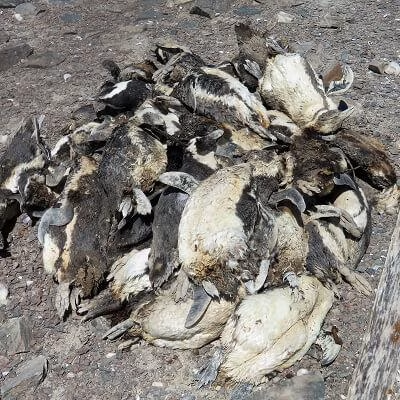
Environmental degradation, including habitat loss and pollution, further diminishes the quality of breeding and foraging grounds, and disease outbreaks add an additional layer of vulnerability to already stressed populations.
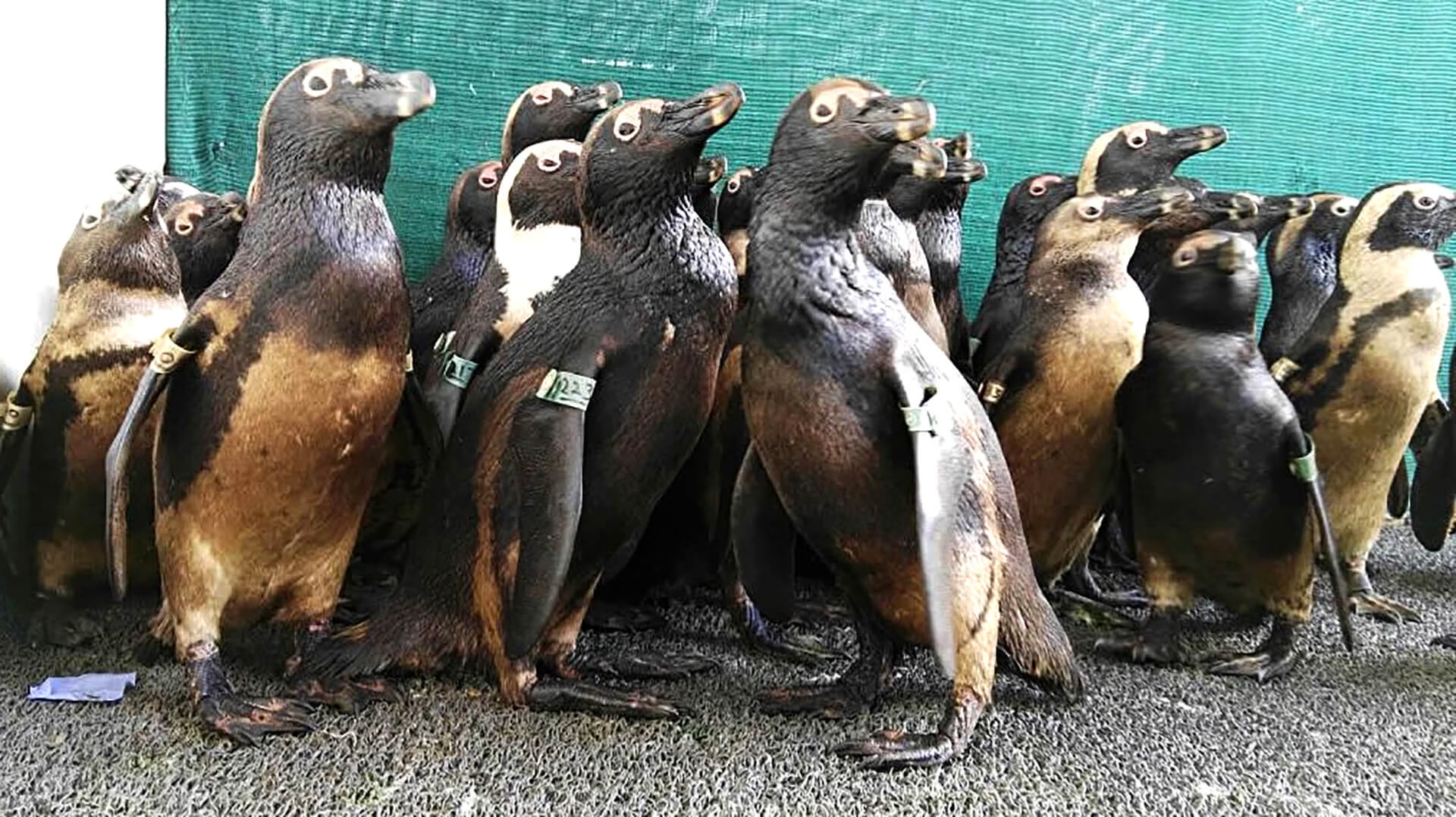
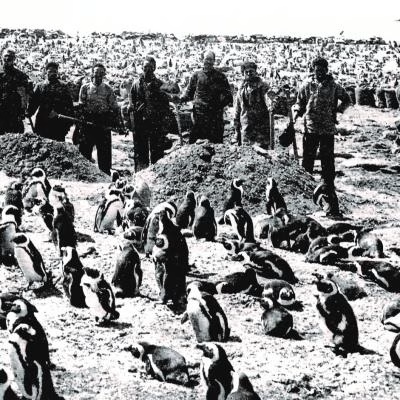
These present-day challenges sit alongside the lasting legacy of historical threats, particularly guano harvesting and egg collecting, practices that reshaped island ecosystems and depleted seabird numbers well before modern conservation efforts began. Understanding how these factors interact is essential to developing effective, evidence-based strategies to protect Namibia's seabirds today.
Beyond established pressures, Lüderitz and its surrounding coastline are undergoing rapid industrialisation, bringing a new set of emerging threats that require close monitoring. As the town transforms from a quiet fishing and diamond-mining centre into a hub for green energy and marine industry, seabird habitat and foraging grounds face growing competition and disturbance from large-scale development.