Marine developments and operations
Marine developments and operations, such as industrial port developments and activities, ship-to-ship bunkering, finfish aquaculture and proposed offshore windfarms, are emerging as further threats to the breeding seabirds in the Namibian Islands' Marine Protected Area.
Pollution
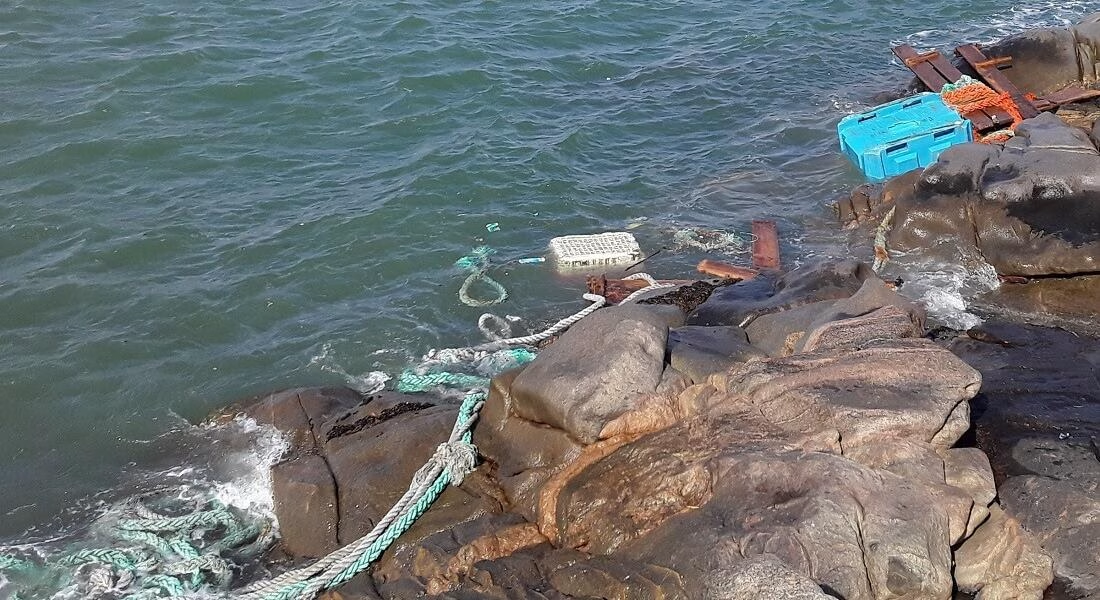
Marine pollution is a major concern for the Namibian marine environment and its inhabitants, including seabirds. Plastic waste and oil spills are among the major sources of marine pollution in Namibian waters. These pollutants can have severe impacts on the health and reproductive success of seabird populations, including reduced fertility, decreased survival rates, and altered behavior in affected birds. In addition, oil spills can cause long-term impacts on the ecosystem, including reduced productivity and altered food webs.
Known marine oils spills in Namibia:
| Year | Name/incident | Location | Wildlife affected |
|---|---|---|---|
| 2021 | Christmas Eve diesel spill | Skeleton Coast National Park | 60 Cape Cormorants |
| 2018 | Fukuseki Maru No 7 | Mile 108 south of Ugab River | Unknown |
| 2018 | Mystery spill - unknown origin | Walvis Bay Lagoon | Unknown number of oiled seabirds observed |
| 2009 | Mystery spill - unknown origin | Lüderitz | 200 African Penguins |
| 2005 | Umfolozi | Port of Walvis Bay | Unknown |
| 2005 | Mystery spill - unknown origin | Ichaboe and Mercury Islands | 60 African Penguins |
| 2005 | Vessel collision | Walvis Bay Harbour | 1 Seal Pup / 5 Seabirds |
| 1995 | Irene: 700 t Heavy Fuel Oil | Walvis Bay | Unknown, but likely |
| 1968 | Andron | Between Walvis Bay and Lüderitz | Unknown |
Ingestion of plastic can lead to physical harm, reduced nutrient uptake, and altered behavior in affected birds. Given the potentially severe impacts of marine pollution on Namibian seabird populations, it is crucial to implement effective management and mitigation measures. This could include increased monitoring and enforcement, as well as education and outreach efforts aimed at reducing the sources of marine pollution in the region.
Increased vessel traffic
Increasing vessel traffic in Namibian waters is a growing concern for the marine environment and its inhabitants, including seabirds. The increase in shipping traffic can lead to a range of negative impacts, including physical disturbance, increased noise levels, light pollution (and with it a collision risk for birds) and oil spills. These impacts can have significant consequences for seabird populations, particularly for those species that rely on the Namibian coast for breeding and foraging.
Shipping traffic can lead to a reduction in the foraging success of seabirds, as the disturbance from passing ships can cause birds to abandon their feeding sites. This can result in reduced energy intake and decreased reproductive success, which can affect the overall health of seabird populations in the region.
In addition to physical disturbance, shipping traffic can also increase the risk of oil spills. A study by Cordero et al. (2017) found that shipping accidents are the largest source of oil spills in the region, and that these spills can have severe impacts on seabird populations. For example, oil spills can cause direct mortality, reduced reproductive success, and altered behaviour in affected birds.
Given the potential impacts of increasing vessel traffic on Namibian seabird populations, it is important to implement effective management strategies to minimise these impacts. This could include measures such as shipping lanes that avoid critical habitats for seabirds, increased monitoring of shipping traffic, and improved spill response planning.
Degraded environment affects
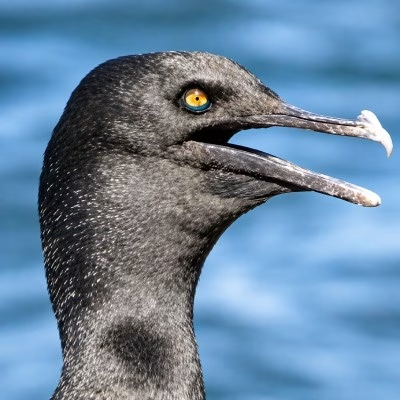

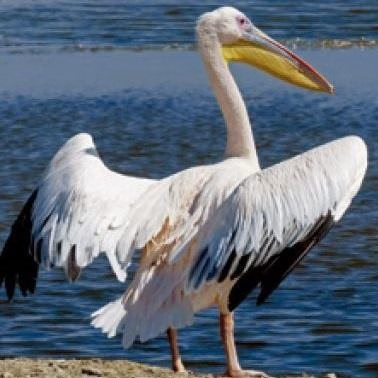
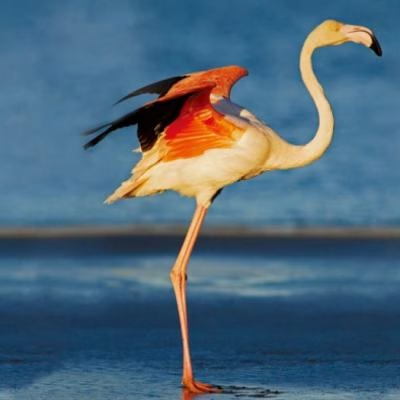
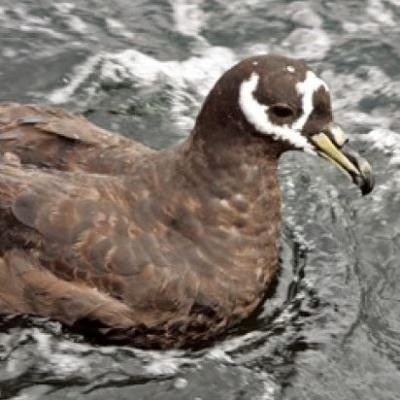
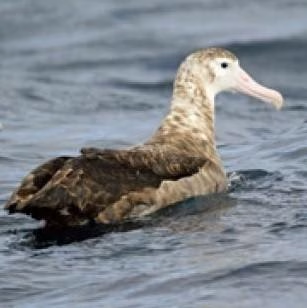
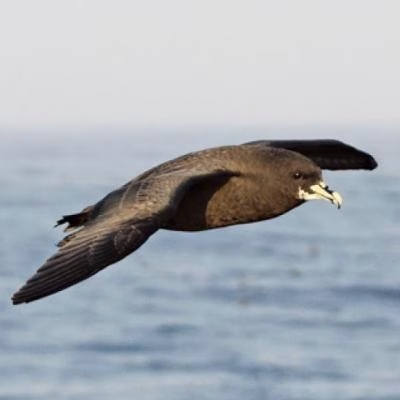
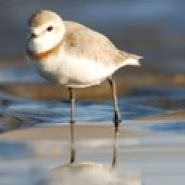
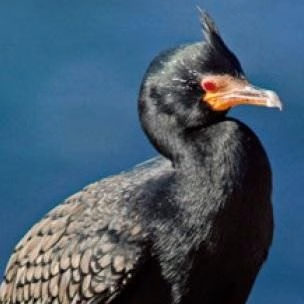
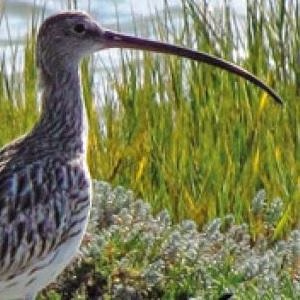
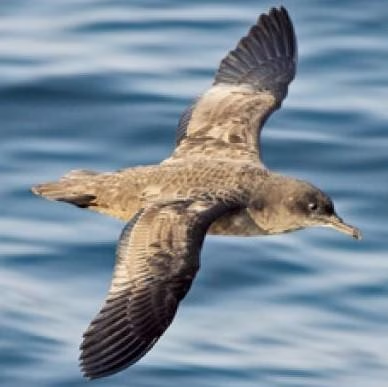
Critically Endangered (CR)
Endangered (EN)
Vulnerable (VU)
Near Threatened (NT)
Related News

Related Project
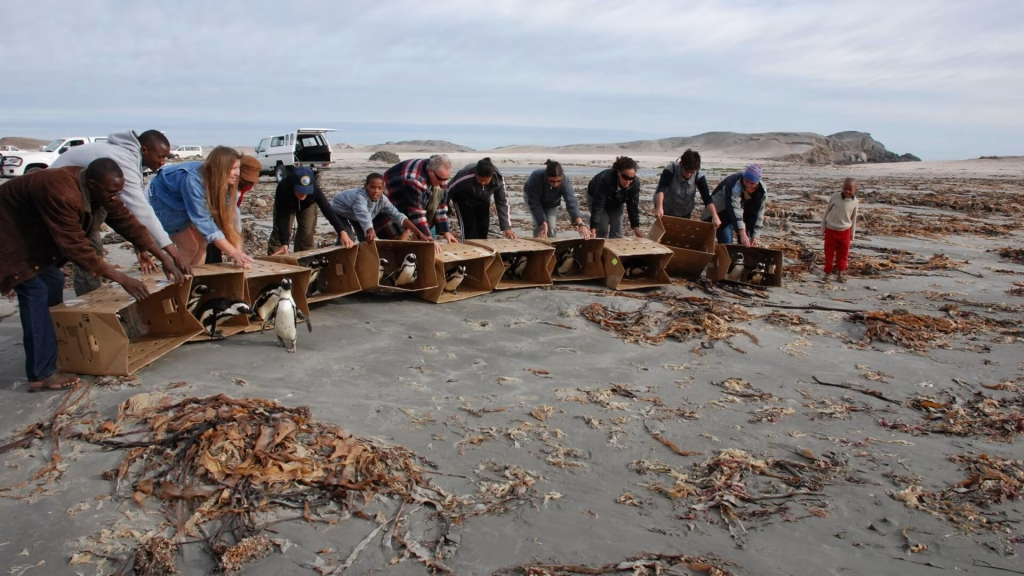

Rescue and Rehabilitation
Seabirds are mostly confined to the Namibian island colonies during breeding seasons.
Related Region
-
Kunene Region
Lorem Ipsum is simply dummy text of the printing and typesetting industry. Lorem Ipsum has been the industry’s standard dummy…
-
Erungo Region
Lorem Ipsum is simply dummy text of the printing and typesetting industry. Lorem Ipsum has been the industry’s standard dummy…